How AI-Generated Video Is Killing The Traditional Film Industry Jobs
Author:Tooba
Released:January 4, 2026
The film industry has always changed with technology, but this shift feels different. AI-generated video is not just another tool added to the production stack. It removes entire steps, compresses timelines, and quietly replaces jobs that once required years of hands-on experience. What used to be a long chain of specialists is turning into a short loop controlled by software and a few decision-makers.
This is not a distant future scenario. It is already happening across commercials, streaming content, and early-stage film production.
How Video Creation Worked Before AI
For decades, filmmaking followed a predictable structure. Every stage depended on the one before it, and each stage supported a large workforce.
The Traditional Production Pipeline
A standard production usually included:
- Script breakdowns and storyboarding
- Set construction or location scouting
- Camera crews, lighting teams, and on-set coordination
- Long post-production cycles involving editors, VFX teams, and sound specialists
Each phase created jobs. Many of them were technical, repetitive, and detail-heavy, which made them reliable entry points into the industry.
That structure is now being dismantled.
Why AI Video Generation Changes Everything
AI video systems are not extensions of editing software - they are generators of new visuals, synthesizing lighting, motion, and composition from text or reference assets. Models like Google Flow/Veo and LTX-2 now support character continuity, audio generation, and cinematic motion directly from simple prompts, reducing reliance on physical capture and manual edits.
From Physical Sets to Prompt-Based Scenes
Modern AI tools allow creators to:
Define core characters once and reuse them across shots
Generate environments without scouting or set builds
Direct action through text prompts instead of physical performance
This shift transforms scenes from captured events to assembled outputs, where software handles perspective, lighting, and motion planning instead of human crews.
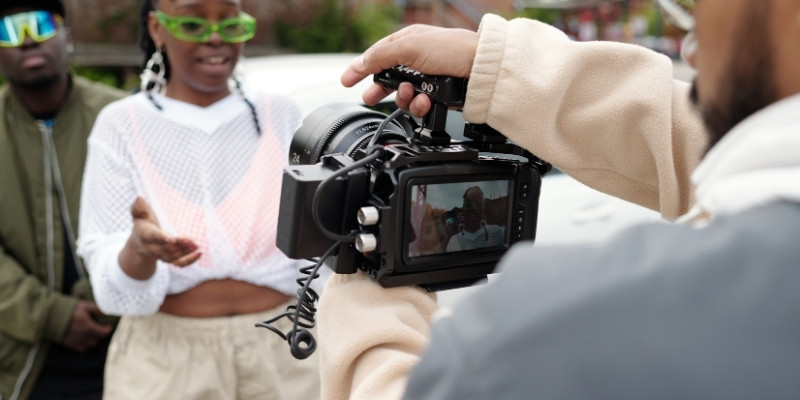
Traditional Film Jobs Being Automated First
The most immediate impact is not on actors or directors but on technical roles that were once stepping stones into the industry. Economists estimate over 100,000 creative and technical jobs in U.S. film, TV, and animation could be disrupted by generative AI by 2026.
Roles Under Direct Pressure
Rotoscoping and cleanup: Automated tools isolate subjects and paint clean plates in seconds, replacing entire departments.
Storyboard and concept illustration: Narrative frames can be generated instantly, shrinking pre-visualization teams.
Background performers and extras: AI crowd and scene generators eliminate casting and scheduling for large sequences.
Junior post-production roles: Plugins now align color, audio, and shot continuity with minimal human input.
These positions traditionally formed the backbone of creative career progression. Their decline removes critical entry points and mentorship paths that once defined industry apprenticeship.
Why This Is Not The Same As The CGI Boom
It is tempting to compare today’s AI video disruption to the rise of CGI, but the impact on employment and workflows is fundamentally different.
CGI Expanded Jobs while AI Is Automating Them
When CGI became mainstream, it expanded production complexity and created new specialist roles rather than eliminating them. Studios grew teams of modelers, animators, lighting experts, and technical directors to deliver detailed visual effects and maintain high production quality.
In contrast, AI video generation tools are collapsing multiple production layers into a single automated process. By 2026, AI platforms such as generative video engines and integrated creative suites have slashed manual tasks like rotoscoping and crowd generation, often replacing entire specialist teams with a handful of prompt-driven workflows.
Industry feedback from producers and creative executives shows that AI adoption has already led to job restructuring, with editors, concept artists, and technical post-production roles among those most affected.
The Cost Equation Has Shifted
Where CGI often increased production costs by requiring additional skilled labor, AI video generators reduce both cost and time needed to create high-quality content.
This shift makes human labor, especially in repetitive or detail-heavy work, the most expensive part of the process. Studios and agencies are responding by automating those tasks and reallocating budget toward higher-level creative and oversight functions.
What was once a gradual evolution of craft has become a structural change in how visual content is produced and how labor is deployed across the industry.
Real-World Impact On Film Workers
The consequences are uneven but accelerating.
Shrinking Teams In Production Hubs
In major industry cities, studios are reducing staff by:
- Replacing large VFX teams with small supervisory groups
- Outsourcing creative testing to AI tools
- Cutting junior roles entirely
This leaves fewer opportunities for new talent to enter the field.
Skill Devaluation
Crafts that once took decades to master now compete with software controls. Professionals who built careers around lighting, compositing, or physical setup are finding their expertise reduced to optional inputs.
What AI Still Cannot Replace
Despite the disruption, AI does not fully understand storytelling.
Limits That Still Matter
AI struggles with:
- Emotional continuity: It can mimic expressions but does not track a character’s internal journey across a full narrative.
- Complex physical interaction: Multi-character action often breaks visual logic or physics.
- Intentional authorship: Generated scenes tend to feel familiar rather than purposeful, which limits their value in premium storytelling.
These gaps keep human creators involved, at least for now.

Common Misunderstandings About AI Video
As AI-generated video becomes mainstream, many misconceptions obscure its real impact on creators, rights holders, and audiences.
AI Is More Than an Editing Tool
Unlike traditional editing software, modern AI video systems generate new visuals from learned patterns of motion and light, meaning creators can produce imagery without capturing original footage at all. This distinction matters because it challenges long-established production norms and raises new copyright questions about ownership and liability.
Current U.S. practice generally holds that purely AI-generated works lack copyright protection unless there is a significant human creative contribution, such as detailed editing or narrative decisions.
Commercial Adoption Is Already Widespread
The biggest practical impact of AI video is not in big-budget films but in advertising, corporate media, and short-form content, sectors that prioritize speed, cost-efficiency, and scale. According to the Interactive Advertising Bureau, nearly 40 % of video ads are projected to use generative AI by 2026, with about 86 % of advertisers already using or planning to use genAI for video creative.
Industry examples include startups like Higgsfield AI, which hit a $1.3 billion valuation in early 2026 for tools that let marketing teams generate social videos end-to-end.
The Future For Film Professionals
Ownership of AI-generated video remains unsettled. Courts and copyright offices are clear that works lacking human authorship do not automatically qualify for copyright, leaving videos in a kind of legal limbo.
Some regions are responding with rules that require disclosure of synthetic performers in ads or expand protections for digital likenesses. For example, New York state has passed a law requiring transparent identification of AI-generated performers starting in mid-2026.
Audience Perception Matters
Public expectations may shift as awareness grows that video can be created instantly. If perceived effort and authenticity shape value - as they historically have - mass-produced AI content could prompt new standards for trust, rights, and quality in visual media.
A Changing Industry, Not A Clean Ending
AI-generated video is not killing filmmaking itself. It is dismantling the job structure that supported it for decades. The tools favor speed, scale, and efficiency, while traditional roles fade quietly in the background. The question is no longer whether the industry will change. It is who will still have a place once the credits roll.
Don't Miss

Will AI Replace Jobs or Redefine Them? The 2026 Reality Check

What Is AI Bias And How It Shapes Your Daily Decisions

The Dark Side Of AI: Privacy Risks You Should Know Today

How AI Is Changing Music Creation And Production Today

How AI Customer Service Transforms E-commerce: Complete Guide